

10x Genomics announced Nov. 16 two new research collaborations to identify blood-based biomarkers of disease activity and treatment response in autoimmune disease, using the company’s single-cell sequencing technology.
“Clinical decision-making in autoimmune disease depends on symptoms and tests that provide only indirect measures of underlying immune activity, while treatment selection relies on trial and error,” 10x CEO and Cofounder Serge Saxonov said in a statement. “By studying longitudinal cohorts across diseases, therapies and geographies, these collaborations can help identify robust, reproducible biomarkers of disease activity and treatment response.”
The first is a multiyear study of 750 patients with rheumatoid arthritis, systemic lupus erythematosus, and psoriatic arthritis in partnership with Germany’s Charité – Universitätsmedizin Berlin and the German Rheumatology Research Center Berlin (DRFZ). The study will follow patients as they start or adjust biologic or targeted therapies, profiling immune cells in the blood to connect changes in cellular states and biological pathways to clinical measures of disease activity.
The study aims to identify and validate biomarkers that distinguish active from controlled disease and responders from non-responders to standard-of-care therapies.
The second study will analyze a series of blood samples from patients with moderate-to-severe alopecia areata treated with a JAK inhibitor. Researchers at the Genomic Medicine Institute at Seoul National University will compare immune profiles before and during treatment with clinical outcomes to look for predictors and early markers of response to treatment , including differences among patients who respond quickly.
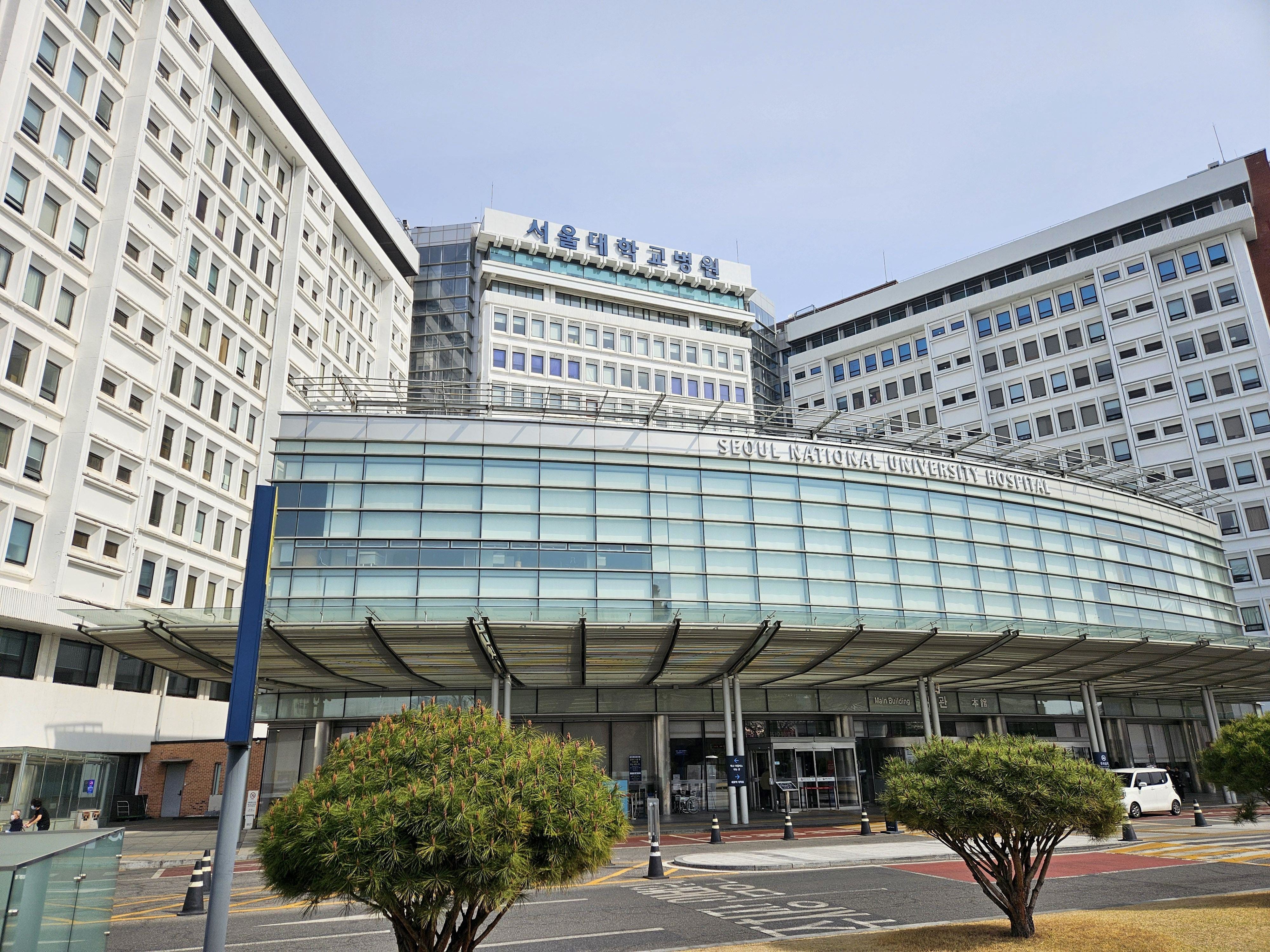
The collaboration with twill also include researchers from Single-Cell Atlas of Immune Diseases (SCAID), a South Korea-based research program started in 2022 to build single-cell maps of immune-mediated diseases, and builds on its patient cohorts and collected specimens.
Financial and other terms of the collaborations were not disclosed.