

Editor’s note: This story has been updated to include comment from Qiagen and Parse Biosciences.
10x Genomics announced on Aug. 28 that a Delaware jury has awarded it $4.8 million in damages after finding that Qiagen subsidiary Parse Biosciences infringed single-cell sequencing patents held by 10x.
The damages cover sales of Parse’s Evercode Whole Transcriptome products from February 2021 through June 30, 2026 and are based on a 14 percent royalty rate on Parse sales. In a statement, 10x said it will seek additional damages and a permanent injunction in the US.
The verdict gives 10x, already the dominant force in the single-cell sequencing market, an even stronger position. 10x has also sued Illumina, which acquired single-cell isolation technology via Fluent Biosciences in 2024, alleging patent infringement.
Whether Parse plans to fight the verdict through appeal, or any other legal avenue, is unclear. “Parse and Qiagen are disappointed with the verdict, and Parse will continue to vigorously defend itself in this litigation,” a Qiagen spokesperson wrote in an email. “The jury verdict represents one step in the legal process.”
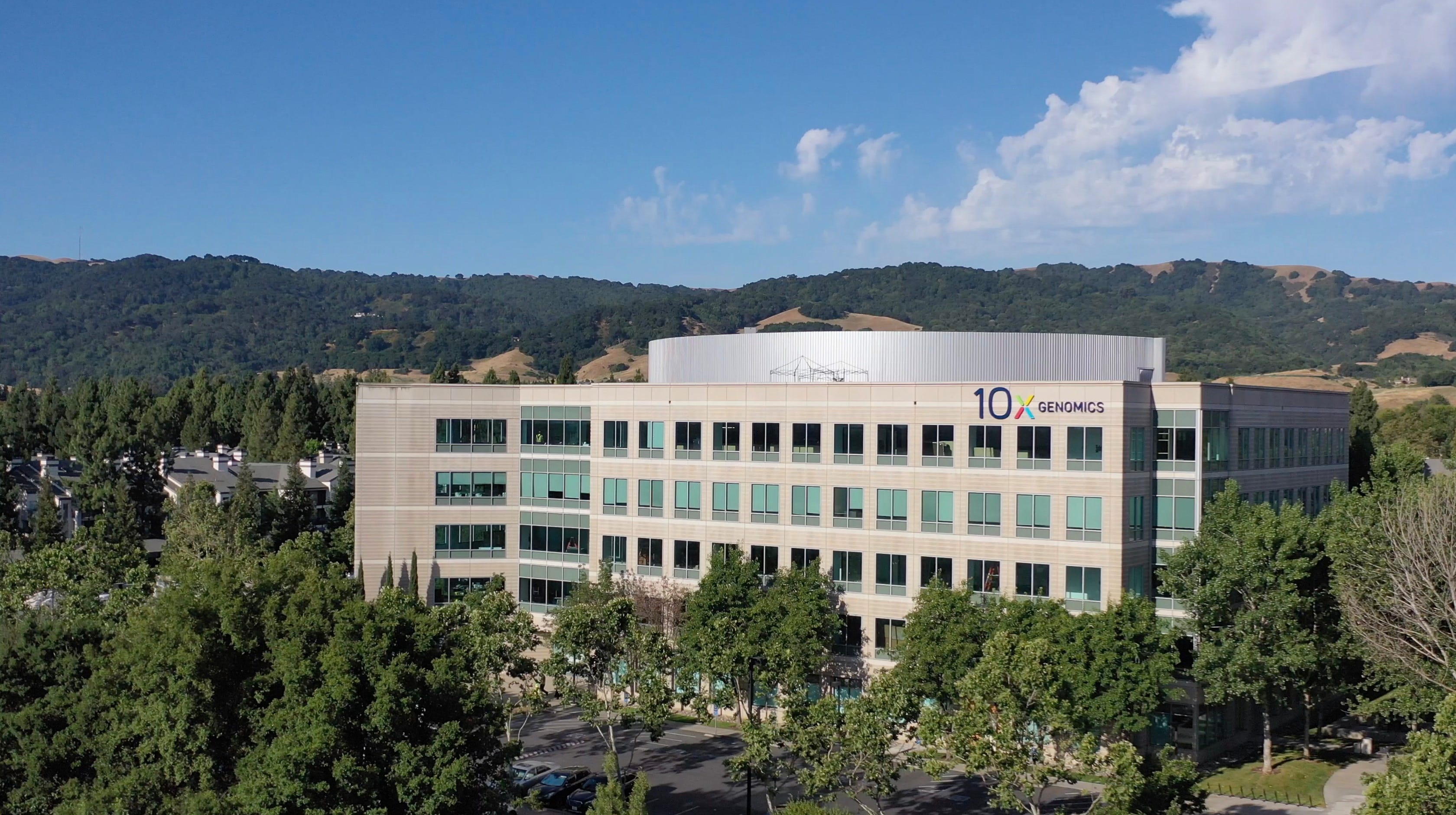
The patents at suit were licensed by single-cell startup Scale Biosciences from Roche Sequencing Solutions and became part of 10x’s patent portfolio after it bought Scale in August 2025 for $30 million plus undisclosed milestones. Scale sued Parse prior to being acquired; both companies use a combinatorial barcoding approach to tagging transcripts in a single cell.
Qiagen acquired Parse in late 2025 for $225 million in cash with up to $55 million in additional milestones.
“I started working on these inventions more than a decade ago and I’m incredibly proud of how they’ve expanded what’s possible with single cell analysis,” Scale cofounder Garry Nolan, also a researcher at Stanford University, said in a statement. “Today’s verdict is a win for inventors. It affirms that original ideas matter and that strong patent rights are essential to advancing science.”

In a statement, 10x Chief Legal Officer Randy Wu said he was “pleased” with the verdict.