

Natera’s Signatera tumor-informed molecular residual disease (MRD) test has received regulatory approval from Japan’s Pharmaceuticals and Medical Devices Agency (PMDA) for use in patients with colorectal cancer in the adjuvant setting, making it the first PMDA-approved MRD test in the country.
The Austin, Texas-based company expects to commercially launch Signatera for colorectal cancer in Japan by the end of the year, but has yet to determine final pricing.
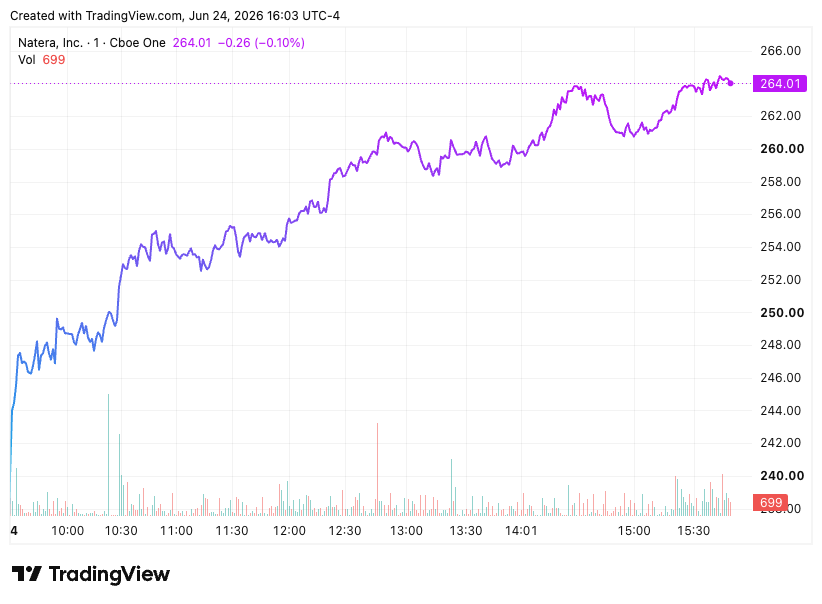
Shares of Natera rose 10 percent in June 24 trading on the Nasdaq.
“This approval marks an important milestone for Japanese patients with colorectal cancer,” Takayuki Yoshino, president of the Japanese Society of Medical Oncology (JSMO,) and program director of the CIRCULATE-Japan project, said in a statement. “Clinicians and medical societies in Japan deeply value the strength of the clinical evidence on Signatera, demonstrating its ability to inform treatment decisions.”
Commercialization will be supported by an existing position statement from the Japan Society of Clinical Oncology and guidance from JSMO, which recommends MRD testing in colorectal cancer.
More than 150,000 people in Japan are diagnosed with colorectal cancer each year, making it one of the country’s most common cancers. Signatera can help identify which post-surgical patients are likely to benefit from adjuvant chemotherapy.
Natera Chief Medical Officer Alexey Aleshin said in a statement that the company plans to file for additional cancer indications in Japan following the colorectal cancer launch, “with muscle-invasive bladder cancer (MIBC) representing our next planned submission in Japan.”
Earlier this week, the US National Comprehensive Cancer Network gave Signatera its top-level recommendation for use in MIBC. In May, the FDA approved the test as a companion diagnostic for the disease.